
The Ethical And Environmental Implications Of Industrial Animal Farming In The Modern WorldThe Ethical And Environmental Implications Of Industrial Animal Farming In The Modern World
nbsp; miniature Shetland sheet for sale.
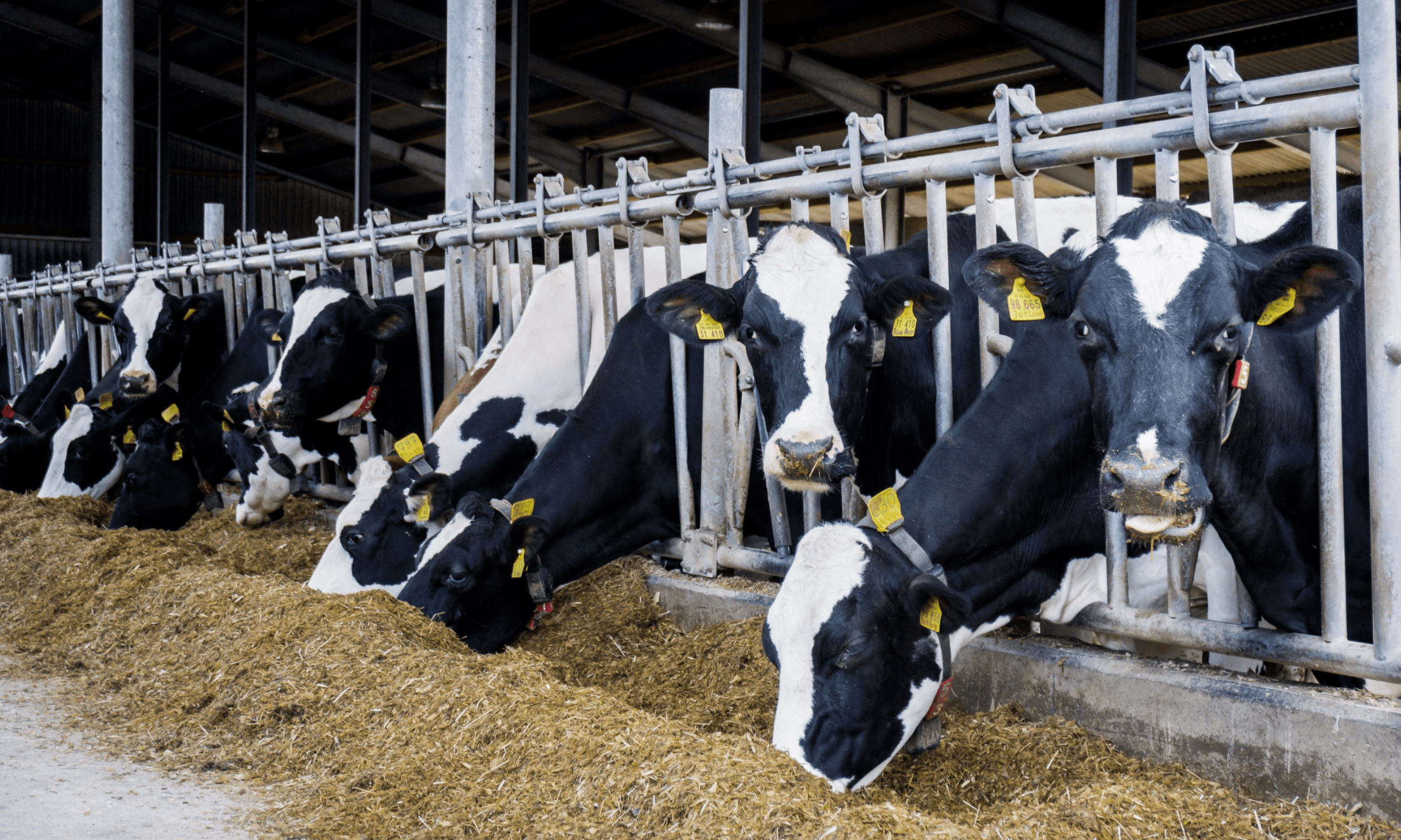
Animal land, particularly in its heavy-duty form, has become a cornerstone of planetary food product, formation diets, economies, and landscapes across the earth. However, this practice raises considerable ethical and environmental concerns that justify troubled testing. The rise of mill farming has led to an new surmount of animal agriculture, impelled by the demand for cut-price and profuse meat, dairy, and eggs. This industrial simulate focuses on maximizing efficiency and turn a profit, often at the of beast wellbeing and bionomical wellness. In manufacturing plant farms, animals are typically restrained to overcrowded spaces, with express access to the open air, leadership to wicked physical and science try. Practices such as de-beaking chickens, tail tying up pigs, and constrictive cows in cramped stalls are cliche, rearing serious ethical questions about the subject field treatment of conscious beings.
The environmental touch on of heavy-duty fauna farming is equally troubling. These operations contribute importantly to greenhouse gas emissions, including methane and nitrous oxide, which are virile contributors to mood transfer. The solid quantities of feed needful to have vauntingly numbers racket of animals lead to deforestation and home ground end, as land is unwooded to grow crops. This, in turn, results in biodiversity loss, as cancel habitats are replaced with monoculture crops. Additionally, the overspill from beast run off can lead to irrigate contamination, harming underwater ecosystems and touching irrigate timbre for human expenditure. The cut surmount of run off produced by mill farms also poses substantial challenges for run off direction and contributes to the open of antibiotic-resistant bacterium.
In reply to these concerns, there has been a growing social movement towards more property and ethical alternatives to heavy-duty brute land. Practices such as organic land, regenerative farming, and range-based systems aim to improve fauna welfare, tighten environmental affect, and elevat soil wellness. Organic land, for example, prohibits the use of synthetic pesticides and fertilizers, and requires animals to have access to outside spaces, thereby up their quality of life. Regenerative agriculture goes a step further by focal point on restoring soil wellness through techniques such as motion shaving and cover cropping, which can isolate carbon and raise biodiversity.
Consumer sentience and demand for more ethical food choices have also spurred changes in the manufacture. Many people are increasingly interested in sourcing meat and dairy farm from farms that prioritize fauna upbeat and situation sustainability. This shift is reflected in the increase of enfranchisement programs and labels that indicate high well-being standards, such as Certified Humane or Animal Welfare Approved. Moreover, advances in set-based and lab-grown meat technologies offer promising alternatives that could reduce trust on traditional animate being farming, potentially alleviating some of the associated right and situation issues.
Despite these formal developments, challenges stay on in transitioning away from heavy-duty animate being land. The scale of the manufacture and the entrenched nature of flow practices make systemic change uncheckable. Additionally, there are economic considerations, as many farmers rely on industrial methods for their keep and may face business enterprise obstacles in adopting more property practices. Policymakers, consumers, and industry leaders must work together to turn to these challenges, fostering innovations and regulations that support right and environmentally amicable land practices.
In ending, while beast farming remains a critical part of planetary food systems, the industrial approach poses significant right and state of affairs challenges. The front towards more humanist and property practices represents a wannabe transfer, but continuing efforts are necessary to meaningful transfer. By embracement choice methods and support policies that prioritize brute well-being and state of affairs stewardship, it is possible to create a food system of rules that respects both the animals and the satellite.