Eid is one of the most cherished occasions in Pakistan, celebrated with family, friends, and a spirit of festivity. One of the most exciting parts of Eid preparations is dressing up, especially for young girls.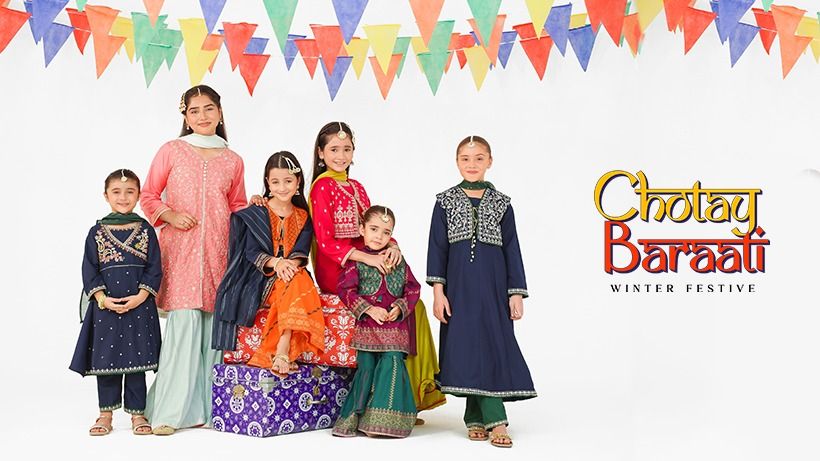
Eid dresses for girls Pakistani are not just clothing; they are a reflection of culture, tradition, and style. Among the various elements that make these dresses stand out, embroidery holds a special place.
This blog explores the world of embroidery in eid dresses for girls pakistani, covering its history, techniques, fabrics, modern trends, and tips for choosing the perfect dress.
The Cultural Significance of Embroidery in Pakistan
Embroidery in Pakistan is more than decoration; it is a cultural heritage. Different regions have their unique styles and techniques. For centuries, artisans have passed down these skills, making embroidery an integral part of traditional clothing.
When it comes to eid dresses for girls pakistani, embroidery adds elegance and a festive feel. It symbolizes celebration, attention to detail, and artistic expression. Whether it’s floral patterns, geometric designs, or threadwork, embroidery transforms a simple dress into a masterpiece.
Regional Variations in Pakistani Embroidery
Pakistan is home to diverse embroidery styles, each with its distinct charm. Some popular regional styles include:
-
Phulkari – Originating from Punjab, this style uses vibrant colored threads to create floral patterns. It adds a bright and joyful look to Eid dresses.
-
Chikankari – Famous in Sindh and parts of Punjab, this white-on-white embroidery is delicate, elegant, and perfect for lightweight summer fabrics.
-
Mirror Work (Shisheh) – Common in Sindh and Balochistan, small mirrors are stitched onto the fabric, creating a sparkling, festive effect.
-
Aari Work – A form of chain stitch embroidery done using a hooked needle, giving intricate floral and paisley designs.
These regional styles influence contemporary eid dresses for girls pakistani, blending traditional artistry with modern fashion trends.
Types of Embroidery Used in Eid Dresses for Girls Pakistani
Embroidery can dramatically change the look and feel of a dress. Different types of embroidery are used in eid dresses for girls pakistani, each offering a unique aesthetic.
Thread Embroidery
Thread embroidery is the most common type, using silk, cotton, or metallic threads. The designs can be simple floral motifs or complex patterns covering the entire dress. Thread embroidery is popular for its versatility and elegance.
Zari and Zardozi Work
Zari involves weaving metallic threads into the fabric to create shimmering patterns, while Zardozi is a heavier, more intricate version often incorporating beads, sequins, and stones. These techniques are frequently seen in eid dresses for girls pakistani intended for special occasions.
Sequins and Beadwork
Sequins and beads add sparkle to Eid dresses, making them eye-catching. This type of embroidery is particularly popular for party-style dresses, where glamour is key.
Appliqué Work
Appliqué involves stitching one piece of fabric onto another to create designs. This technique adds dimension and texture to the dress, giving it a playful and creative touch.
Cutwork Embroidery
Cutwork is created by cutting portions of the fabric and stitching the edges. This delicate technique is often used in combination with thread embroidery to add elegance without overwhelming the design.
Fabrics Used for Embroidered Eid Dresses for Girls Pakistani
The choice of fabric is essential when designing eid dresses for girls pakistani, as it affects both comfort and style. Some commonly used fabrics include:
-
Cotton – Lightweight and breathable, ideal for summer Eids and daily wear.
-
Lawn – Soft, airy, and perfect for intricate thread embroidery.
-
Chiffon – Flowing and elegant, often used for formal Eid dresses with sequins or bead embroidery.
-
Silk – Luxurious and smooth, excellent for Zari and Zardozi work.
-
Net and Organza – Lightweight and semi-transparent, these fabrics are often layered over a base fabric to create depth with embroidery.
The right fabric ensures that the embroidery stands out without compromising comfort, especially for young girls who need to move and play freely during Eid celebrations.
Popular Embroidery Patterns in Eid Dresses for Girls Pakistani
The patterns used in embroidery define the overall look of the dress. Some popular patterns include:
-
Floral Designs – Flowers and vines are timeless and widely loved for their charm and elegance.
-
Geometric Motifs – Squares, diamonds, and triangles give a modern and structured look to traditional dresses.
-
Paisley Patterns – Paisleys are traditional symbols in Pakistani fashion, adding a classic touch to eid dresses for girls pakistani.
-
Animal and Nature Themes – Birds, butterflies, and other nature-inspired motifs are playful choices for young girls.
-
Cultural Symbols – Motifs representing heritage, like peacocks or regional icons, often feature in festive dresses.
Modern Trends in Embroidery for Eid Dresses for Girls Pakistani
Fashion is constantly evolving, and so is embroidery. Modern eid dresses for girls pakistani combine traditional techniques with contemporary styles to appeal to today’s young generation.
Minimalist Embroidery
While traditional embroidery can be elaborate, minimalist designs with subtle threadwork are becoming popular. These dresses focus on comfort and elegance rather than heavy embellishment.
Colorful Contrasts
Using contrasting thread colors against a base fabric is trendy. Bright threads on pastel or neutral fabrics make the embroidery pop, giving a modern and cheerful vibe.
Fusion Styles
Fusion dresses blend Western cuts with traditional embroidery. A kurti-style top with a flared skirt or a gown with Aari work combines comfort, modern fashion, and cultural aesthetics.
Interactive Embroidery
Some designers now incorporate detachable embroidery elements or playful designs like sequined patches or embroidered pockets, making the dress fun and functional for girls.
How to Choose the Perfect Embroidered Eid Dress
Selecting an embroidered dress involves several factors:
-
Age and Comfort – Dresses should suit the girl’s age and allow freedom of movement. Overly heavy embroidery may look beautiful but can be uncomfortable.
-
Occasion – For family gatherings, simpler embroidery may suffice, while weddings or parties might call for elaborate Zari or Zardozi work.
-
Fabric Choice – Lightweight fabrics with soft embroidery are ideal for daytime Eid celebrations, while richer fabrics suit evening events.
-
Color Palette – Bright and vibrant colors are festive, while pastel shades offer a soft, elegant look. The embroidery should complement the dress color.
-
Budget – Intricate embroidery like Zardozi is more expensive, so balancing design preference with budget is crucial.
By considering these factors, parents and guardians can ensure that girls look stylish while staying comfortable.
Caring for Embroidered Eid Dresses for Girls Pakistani
Embroidery requires proper care to maintain its beauty and longevity. Here are some tips:
-
Hand Wash or Gentle Cycle – Avoid rough washing as it can damage threads and sequins.
-
Use Mild Detergent – Harsh chemicals can fade colors and weaken threads.
-
Air Dry – Direct sunlight may fade colors; air drying keeps the fabric and embroidery intact.
-
Store Carefully – Fold dresses with tissue paper between layers or hang them to prevent embroidery from snagging.
-
Iron with Care – Use a low-heat setting and iron on the reverse side to protect delicate threads and embellishments.
Following these steps ensures that eid dresses for girls pakistani remain beautiful and ready for celebrations year after year.
The Role of Artisans in Embroidery
Artisans are the heart of embroidered dresses. Their skill and creativity bring life to fabric. Many families prefer handmade embroidery for eid dresses for girls pakistani, as it reflects authenticity and craftsmanship. Supporting local artisans not only preserves traditional techniques but also helps communities thrive economically.
DIY Embroidery Ideas for Eid Dresses
For those who enjoy crafting, simple embroidery can be done at home. DIY projects can personalize eid dresses for girls pakistani with names, initials, or favorite motifs. Popular DIY techniques include:
-
Simple Chain Stitch – Ideal for outlining flowers or creating borders.
-
French Knots – Add tiny, decorative dots that resemble floral centers.
-
Sequin and Bead Attachment – Fun and sparkly, perfect for children’s dresses.
DIY embroidery allows creativity and a personal touch, making the dress extra special.
Conclusion
Embroidery is more than decoration in eid dresses for girls pakistani; it is a celebration of culture, craftsmanship, and creativity. From regional styles like Phulkari and Chikankari to modern minimalist and fusion designs, embroidery enhances the beauty and elegance of Eid dresses. Choosing the right fabric, pattern, and care methods ensures comfort, style, and longevity.
Whether purchased from local artisans, boutiques, or created through DIY projects, embroidered dresses remain a cherished part of Eid celebrations. They allow young girls to shine, express their personality, and connect with tradition. By appreciating and supporting the art of embroidery, we help preserve Pakistan’s rich cultural heritage while keeping fashion vibrant and meaningful.
Eid is not just a festival of prayers and gatherings; it is a time for joy, color, and artistry. Embroidery in eid dresses for girls pakistani perfectly captures the essence of this celebration, making every moment memorable.