
Proving Protection Pays Measuring the Tangible Business Impact of Mining Safety Training Proving Protection Pays Measuring the Tangible Business Impact of Mining Safety Training
The financial justification for comprehensive safety training in mining operations has never been clearer. Beyond the moral imperative to protect workers, modern data analytics reveal substantial return on investment from well-designed training programs. These systems reduce direct costs like accident-related expenses and regulatory fines while delivering indirect benefits through improved productivity, lower insurance premiums, and enhanced workforce stability. When properly implemented, safety training transforms from a compliance expense to a strategic investment that generates measurable financial returns alongside its life-saving benefits.
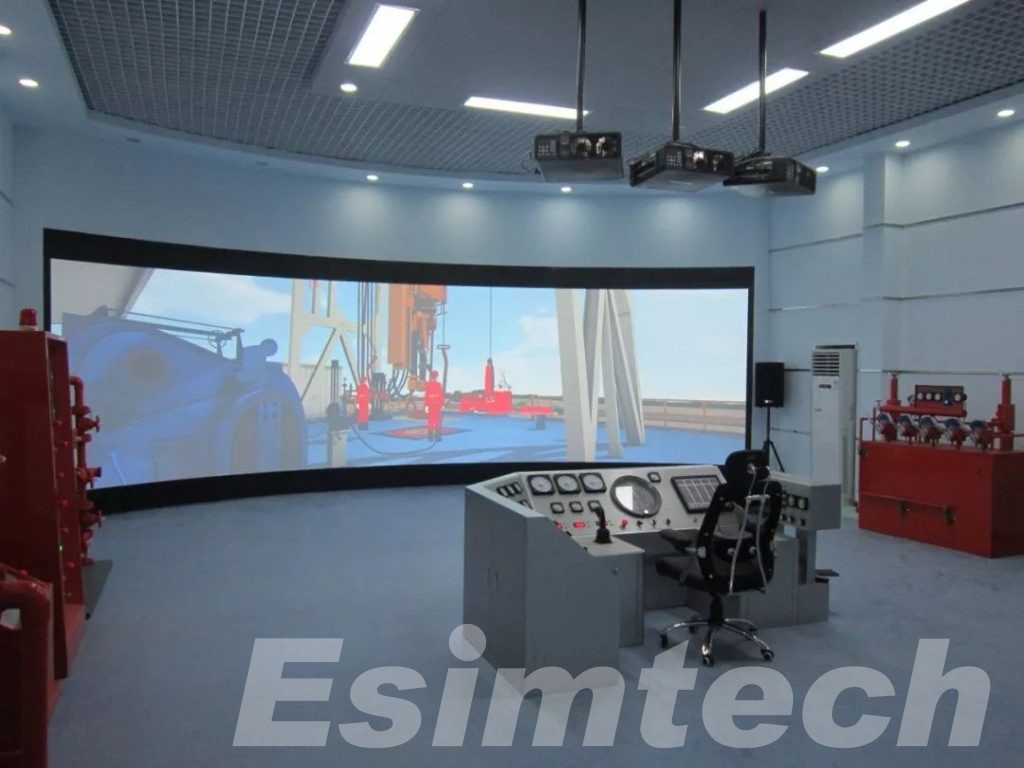
Mining accidents generate staggering costs that extend far beyond immediate medical expenses. A single serious incident can trigger workers' compensation claims, equipment damage repairs, regulatory fines, legal fees, and production delays—often totaling millions of dollars. Safety training directly reduces these costs by preventing incidents before they occur. Studies across the industry demonstrate that operations implementing robust training programs, particularly those incorporating Oil and Gas Software solutions for tracking and verification, typically see incident rates drop by 40-60% within the first two years. This reduction translates directly to bottom-line savings that frequently exceed training program costs by substantial margins.
Insurance premium reductions provide another measurable return on safety training investments. Underwriters carefully assess training programs when calculating risk exposure, with operations demonstrating comprehensive, documented training often qualifying for premium discounts of 15-25%. These savings compound annually, creating long-term financial benefits. Advanced training technologies from providers like Petroleum Simulators provide insurers with verifiable data on training completion and competency assessments, strengthening the case for favorable premium adjustments during policy renewals.
Regulatory compliance represents another area where training delivers financial returns. Mines with well-documented training programs experience fewer citations during inspections, avoiding both direct fines and the indirect costs of increased regulatory scrutiny. The U.S. Mine Safety and Health Administration (MSHA) reports that operations with established training programs receive 72% fewer serious violations than those without formalized training. This compliance advantage becomes particularly valuable in jurisdictions where repeated violations can trigger production restrictions or mandatory shutdowns.
| Cost Category | Average Incident Cost | Training Impact | ROI Timeframe |
|---|---|---|---|
| Workers' Compensation | $75,000 – $500,000 | 40-60% reduction | 1-2 years |
| Equipment Damage | $25,000 – $1M+ | 35-50% reduction | 6-18 months |
| Regulatory Fines | $5,000 – $250,000 | 60-75% reduction | Immediate |
| Insurance Premiums | Annual $100k-$5M | 15-25% reduction | Annual renewal |
The productivity benefits of safety training often exceed the direct cost savings from accident prevention. Well-trained workers complete tasks more efficiently with fewer errors, while supervisors spend less time managing preventable incidents. Operations using integrated Oil and Gas Software platforms report 15-30% improvements in workflow efficiency after implementing targeted safety training programs. These gains come from reduced equipment downtime, fewer work stoppages, and optimized processes that emerge when safety becomes ingrained in operational culture rather than treated as a separate consideration.
Employee retention represents another significant financial benefit of safety training. The mining industry traditionally experiences high turnover rates, with replacement costs averaging 1.5 times an employee's annual salary. Operations with strong safety cultures and comprehensive training programs report turnover rates 30-40% lower than industry averages. This stability preserves institutional knowledge, reduces recruitment expenses, and maintains consistent production levels. The connection between safety training and retention becomes particularly clear in exit interviews, where departing employees frequently cite safety concerns as a primary reason for leaving high-turnover operations.
Training also enhances workforce flexibility and cross-functional capability—critical advantages in an industry facing skilled labor shortages. Employees who receive safety training across multiple roles or equipment types can be deployed more efficiently to meet changing operational demands. Companies leveraging advanced Petroleum Simulators for multi-skill training report being able to maintain production levels with 10-15% smaller crews due to this increased workforce versatility. The resulting labor cost savings frequently exceed the initial investment in cross-training programs within the first fiscal year.
Reputation and stakeholder confidence represent perhaps the most valuable long-term returns on safety training investments. Mining companies with demonstrably safe operations command premium valuations, enjoy easier access to capital, and face fewer community objections to expansion projects. These intangible benefits translate into concrete financial advantages when seeking permits, negotiating partnerships, or raising investment. In an era where ESG (Environmental, Social, and Governance) factors increasingly influence investment decisions, robust safety training programs provide measurable evidence of social responsibility that enhances corporate valuation and competitive positioning.
