Author: Millermarker

Boat Yachting Certify: A Nail Guide For Safe And Valid YachtingBoat Yachting Certify: A Nail Guide For Safe And Valid Yachting


Boating is one of the most gratifying recreational activities, combine stake, relaxation, and the ravisher of nature. Whether cruising along a serene lake or exploring the open sea, being on the water can be incredibly pleasing. However, to check safety and valid compliance, obtaining a boat or boating license is essential. This steer covers everything you need to know about yachting licences, their types, how to get one, and why they are large.

Understanding a Boat Boating Licence

A Boat Licence, often referred to as a Boating Licence, is an official enfranchisement issued by political science government that permits an someone to run a boat de jure. The license ensures that operators are skilled in seafaring rules, safety procedures, and responses. Most countries have laws requiring boat operators to have a certify if the boat exceeds a certain size, speed up, or angle.

Possessing a yachting licence is not just a sound formality; it reflects a Panama s cognition and responsibility. It is also often requisite by insurance companies and can help keep off penalties or fines.

Types of Boat Licences

Boating licences depending on the type of vessel, purpose, and local anesthetic regulations. Common types admit:

Recreational Boating Licence Designed for individuals operational boats for leisure, sportfishing, or watersports.

Commercial Boating Licence Required for populate using boats for business, tours, or transmit services.

Personal Watercraft Licence Specific to jet skis and modest bimotored vessel.

International Certificate of Competence(ICC) Enables operators to lawfully sail foreign-born Ethel Waters recognized by many countries.

Each type ensures the manipulator is witting of in dispute laws and safety measures for their particular type of vessel.

Who Needs a Boating Licence?

Not all boaters are necessary to hold a certify, but it is mandatory in most cases where:

The boat has a drive above a certain horsepower.

The boat is used commercially.

The vessel navigates regulated or burglarproof waterways.

Even in areas where a certify is nonmandatory, having one improves refuge, provides get at to insurance policy, and ensures submission with topical anaestheti boating laws.

Steps to Obtain a Boat Boating Licence

Getting a yachting 二級遊樂船牌 usually involves a combination of training, examination, and realistic valuation:

Enroll in a Boating Safety Course Learn seafaring rules, procedures, and situation responsibilities.

Pass a Written Exam Demonstrate your noesis of yachting laws and safety regulations.

Practical Training Some licences require on-water assessments to test handling skills.

Submit Application and Pay Fees Complete the needed forms and pay the licensing fee.

Receive Your Licence Once approved, you welcome official documentation certifying your competence.

Following these stairs ensures you are well-prepared and de jure allowed to run your boat safely.

Boating Safety and Responsibility

Even with a license, safety corpse predominate. Boaters should always wear life jackets, brave conditions, maintain , and carry emergency equipment such as flares or fire extinguishers. Avoiding inebriant, respecting speed limits, and following seafaring rules are also vital for protecting yourself and others on the water. A responsible leghorn not only safeguards their own life but also contributes to the refuge of the entire yachting community.

The Importance of Renewing Your Licence

Most yachting licences have expiration dates and may require sporadic replacement or refresher courses. Keeping your certify stream ensures continuing valid surgical procedure and helps wield updated noesis of new refuge protocols or regulations. Failure to reincarnate can lead in fines, penalties, or insurance issues.

Conclusion

A Boat Boating Licence is more than a sound prerequisite; it represents safety, responsibility, and enjoyment on the irrigate. Whether for recreation or commercial purposes, obtaining a certify ensures you are equipt to navigate Ethel Waters safely, keep off accidents, and abide by with laws. If you plan to take to the water, take up by enrolling in a secure yachting course, learn the rules, and secure your licence then enjoy the freedom and venture that yachting brings.

The SIM Card: A Small Chip With a Big Impact on CommunicationThe SIM Card: A Small Chip With a Big Impact on Communication

In the era of instant messaging, social media, and 5G networks, the mobile phone has become one of the most powerful and indispensable tools in modern life. While most people are familiar with their smartphones, the small chip that helps connect those devices to the world often goes unnoticed. This humble, yet crucial, component is the SIM card (Subscriber Identity Module). Despite its small size, the SIM card is a key element in mobile technology, enabling communication, security, and global connectivity.

What is a SIM Card?

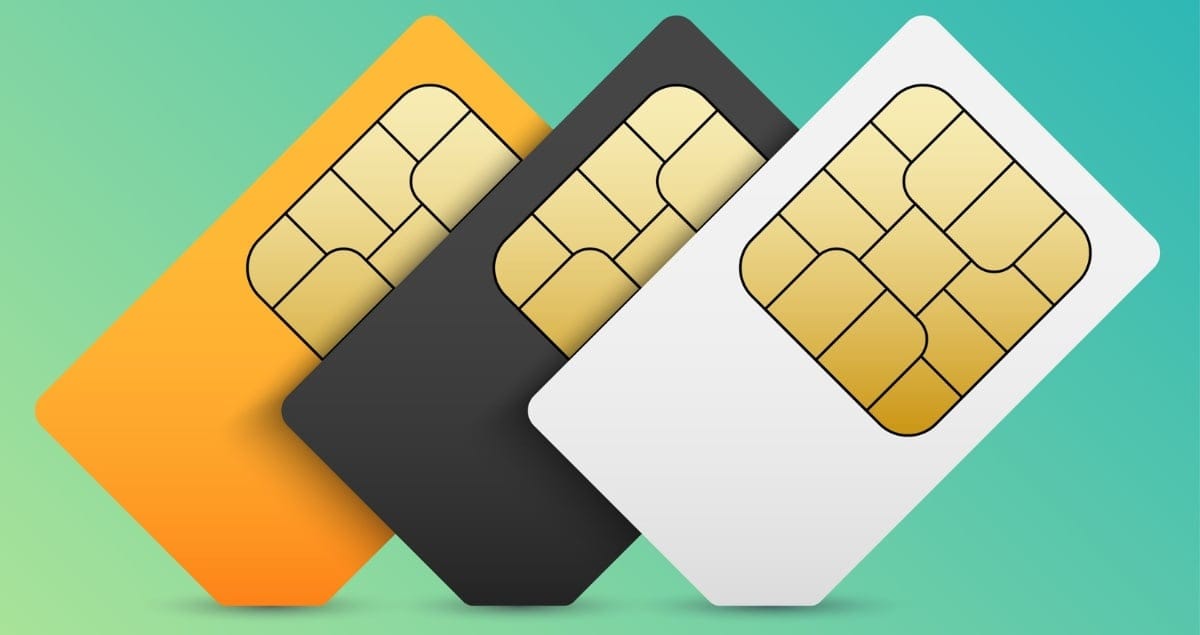
A SIM card is a small chip that fits into your mobile phone and connects it to your mobile carrier's network. It serves as a unique identifier, allowing the network to recognize the user and provide access to its services, including voice calls, text messaging, and mobile data. Without the SIM card, your phone wouldn't be able to access cellular networks or function as a communication device.

At its core, the SIM card contains essential information that makes it possible for your device to connect to a mobile network. This includes:

  • Your phone number: Assigned by your carrier.
  • Authentication keys: Used for secure communication with the network.
  • IMSI (International Mobile Subscriber Identity): A unique identifier that tells the network who you are and which carrier you belong to.
  • Service provider settings: Details that help configure the device to use the correct network and services.

The Origins of the SIM Card

The first SIM card was introduced in the early 1990s alongside the GSM (Global System for Mobile Communications) network, a revolutionary standard for mobile communication. Before SIM cards, mobile phones were locked to specific carriers, and switching phones or providers was a difficult, if not impossible, task. The SIM card made it possible to remove a small piece of hardware and swap it into another device, thus offering portability and flexibility for mobile phone users.

The concept of the SIM card was designed to address the need for a universal and portable means of connecting to mobile networks, regardless of the device. This small chip provided an identity to the user, and as mobile phones evolved, the role of the SIM card only grew more significant.

The Different Types of SIM Cards

As mobile technology advanced, so did the design of SIM cards. Over time, the size and features of SIM cards were optimized to meet the demands of newer, smaller devices. The most common types of SIM cards include:

  1. Standard SIM: The original, larger form of the SIM card (25mm x 15mm), used in early mobile phones. While it is largely obsolete today, it is still found in older devices.

  2. Micro SIM: Smaller than the standard SIM, measuring 15mm x 12mm, this version was introduced to accommodate the thinner designs of modern smartphones. It’s still used in some devices, but newer models have largely moved on.

  3. Nano SIM: The smallest version of the SIM card, measuring just 12.3mm x 8.8mm. Most current smartphones, including the iPhone, Android devices, and others, now use nano SIMs due to their small size.

  4. eSIM: The embedded SIM (eSIM) is a newer innovation in the world of SIM cards. Unlike traditional SIM cards that can be physically swapped out, eSIMs are integrated directly into a device’s hardware. This digital SIM allows users to switch carriers and activate service plans remotely through software, eliminating the need to physically handle SIM cards.

How SIM Cards Work: A Simple Process

Despite their complexity, the process by which SIM cards work is relatively straightforward. Here's how they facilitate mobile communication:

  1. Authentication: When you power on your device, the SIM card communicates with the mobile carrier's network. It sends the IMSI (International Mobile Subscriber Identity) to authenticate your device on the network. The network verifies that your SIM is authorized to access the services, such as voice calls, data, and text messaging.

  2. Voice and Data Transmission: Once authenticated, the 手機上網 card allows your phone to send and receive calls and data. Your device uses the SIM card to connect to the nearest base station or cell tower, which then forwards your communication to the carrier’s network.

  3. Encryption: The SIM card also plays a role in securing your communication. It stores encryption keys that are used to protect the data sent over the mobile network. This ensures that calls, messages, and other forms of communication are secure and private.

  4. Roaming and Global Connectivity: SIM cards also facilitate roaming – the ability to use your phone when traveling abroad. Many SIM cards are designed to automatically detect when you’ve moved to a different region or country, and they will connect to a local carrier’s network for better coverage and lower roaming costs.

SIM Cards and Global Mobility

One of the most appealing features of SIM cards is their portability. You can easily remove the SIM card from one device and place it into another, without losing your phone number or personal information. This flexibility allows you to upgrade to a new phone or switch to a backup device without any hassle. Additionally, traveling internationally becomes easier with the ability to swap SIM cards to use local mobile networks, avoiding high roaming fees.

For travelers, purchasing a local SIM card in a foreign country is a common strategy to save on roaming charges. This gives you access to local data, voice, and text services at lower rates, which is often far cheaper than paying for international roaming plans.

The Role of eSIM in Modern Devices

In recent years, eSIM technology has begun to replace traditional, physical SIM cards in newer smartphones, tablets, and wearables. Instead of a physical chip, an eSIM is embedded into the device’s motherboard. This innovation allows users to switch between carriers, update their service plans, or activate new numbers without needing to physically remove or insert a SIM card.

Benefits of eSIMs include:

  • Remote Activation: Users can switch mobile providers without the need for a physical SIM card.
  • Multiple Profiles: You can store multiple carrier profiles on a single eSIM, which is useful for frequent travelers or individuals who need separate work and personal numbers.
  • Space Efficiency: With no need for a removable SIM card slot, devices can be made slimmer and more efficient, which is particularly important in the design of compact devices like smartwatches.

As eSIM technology gains traction, it is expected to become the dominant form of connectivity, especially in future-proof devices like 5G smartphones and Internet of Things (IoT) devices.

SIM Cards and Security

Beyond enabling connectivity, SIM cards also play an important role in maintaining the security of your mobile communications. The encryption keys stored on a SIM card help secure your phone’s communications by scrambling the data being sent and ensuring that it cannot be intercepted by unauthorized third parties.

Additionally, the PIN (Personal Identification Number) feature of SIM cards provides an extra layer of security. If your phone is lost or stolen, the PIN can prevent someone from using the SIM card in another device.

The Future of SIM Cards

The SIM card, though small, has had a profound impact on the way we connect and communicate. As technology advances, we are seeing a shift from physical SIM cards to digital alternatives like eSIMs, offering more flexibility, security, and functionality.

With the ongoing expansion of 5G networks, the role of SIM cards will continue to evolve, particularly as mobile connectivity becomes more integrated into everyday life. From supporting IoT devices to enabling seamless transitions between carriers, SIM cards—whether physical or embedded—will remain central to how we access mobile services.

Conclusion

While often overlooked, the SIM card remains a fundamental part of the mobile experience, providing users with the ability to stay connected, secure, and mobile in an increasingly interconnected world. As technology progresses and digital SIM solutions like eSIM take the spotlight, the SIM card will continue to shape the future of communication, ensuring that we can enjoy faster speeds, greater flexibility, and more seamless connectivity than ever before.

Customized Tee: The Ultimate Guide to Personalized FashionCustomized Tee: The Ultimate Guide to Personalized Fashion

In today's fast-paced world, customized tees have emerged as a game-changer in the fashion industry. Whether for personal expression, branding, or gifting, a personalized t-shirt offers unique designs, personal identity, and limitless creativity. With advanced printing techniques and accessible design tools, anyone can create a one-of-a-kind t-shirt that reflects their personality or brand.

The Growing Demand for Personalized T-Shirts

The global market for customized t-shirts is booming. Businesses, influencers, and individuals are turning to custom t-shirts to showcase their style or promote their brands. Some key reasons for this surge include:

  • Branding and Marketing: Companies use 印 t shirt 少量 tees as promotional tools.

  • Personal Expression: Individuals love expressing their unique styles and beliefs.

  • Event Memorabilia: Family reunions, sports teams, and corporate events rely on custom tees.

  • E-Commerce Boom: Print-on-demand platforms make customization accessible to everyone.

How to Design a Customized Tee

Creating a customized t-shirt is now easier than ever, thanks to various online platforms and printing services. Here’s a step-by-step guide to designing your perfect tee:

1. Choose the Right Fabric

The material of your t-shirt plays a crucial role in its comfort and durability. Popular choices include:

  • Cotton: Soft, breathable, and comfortable for daily wear.

  • Polyester: Moisture-wicking and durable, ideal for sports and activewear.

  • Blends: A mix of cotton and polyester offers the best of both worlds.

2. Select the Perfect Fit

A well-fitting t-shirt enhances comfort and style. Some common styles include:

  • Regular Fit: Classic and versatile for any occasion.

  • Slim Fit: Tailored to provide a modern and stylish look.

  • Oversized: Perfect for streetwear and casual fashion.

3. Create Your Design

Your design is what makes your custom tee unique. Consider the following elements:

  • Typography: Choose stylish fonts that align with your message.

  • Graphics & Logos: Upload your own images or use pre-made templates.

  • Colors: Use contrasting colors to make your design pop.

  • Placement: Decide where the design will go (front, back, sleeve, or all-over print).

4. Select a Printing Method

Different printing techniques affect the quality and longevity of your design. Popular methods include:

  • Screen Printing: Ideal for bulk orders, offering high-quality and durable prints.

  • Direct-to-Garment (DTG): Best for detailed and colorful designs with a soft feel.

  • Heat Transfer Vinyl (HTV): Great for small orders and custom lettering.

  • Sublimation Printing: Works best on polyester for vibrant, full-color prints.

Top Platforms for Customizing Tees Online

Many online platforms allow users to design and order custom t-shirts effortlessly. Some of the best options include:

  • Printful: Seamless integration with e-commerce platforms.

  • TeeSpring: Ideal for influencers and entrepreneurs.

  • Custom Ink: Great for team orders and bulk printing.

  • Redbubble: A marketplace for artists to sell their designs.

Customized Tees for Businesses

Many companies use custom t-shirts as a branding tool. Here’s why businesses should invest in personalized tees:

  • Enhance Brand Visibility: Employees wearing branded t-shirts help with marketing.

  • Team Unity: Uniforms create a sense of belonging among employees.

  • Customer Engagement: Giveaways and promotional tees boost customer loyalty.

Customized Tees for Personal Use

For individuals, custom tees provide a way to express personal style. Some ideas include:

  • Graphic Tees: Showcase your favorite bands, quotes, or pop culture references.

  • Minimalist Designs: Simple and stylish typography-based tees.

  • Photo Tees: Print personal photos for unique keepsakes.

  • Matching Outfits: Perfect for couples, families, or group events.

Sustainable and Eco-Friendly Custom T-Shirts

With sustainability becoming a priority, many brands offer eco-friendly custom tees made from organic cotton, bamboo, or recycled materials. Choosing sustainable printing methods like water-based inks and biodegradable packaging ensures a lower carbon footprint.

Conclusion

Customized t-shirts are more than just fashion; they are a statement of individuality, branding, and creativity. With numerous design tools and printing techniques available, creating a one-of-a-kind tee has never been easier. Whether for personal use or business promotion, a customized tee is a timeless investment.

How HR Systems Are Shaping the Future of Work and Workforce ManagementHow HR Systems Are Shaping the Future of Work and Workforce Management

The landscape of work is changing rapidly. With technological advancements, shifting employee expectations, and evolving business needs, organizations are under pressure to rethink how they manage their workforce. At the core of this transformation lies Human Resource (HR) technology—specifically HR systems. These systems have become essential in the modern workplace, enabling businesses to manage talent, streamline operations, and foster a positive employee experience. But how exactly are HR systems shaping the future of work, and why are they more crucial than ever for workforce management?

What Are HR Systems?

Human Resource Systems, also known as Human Resource Management Systems (HRMS) or Human Resource Information Systems (HRIS), are integrated software platforms that automate and streamline various HR tasks. These systems encompass a wide array of functionalities, including employee data management, payroll processing, benefits administration, recruitment, performance evaluations, and even training and development. The primary goal of HR systems is to improve efficiency, reduce manual work, and provide HR teams with the data and tools they need to make more strategic decisions.

In the past, HR was primarily viewed as an administrative function. However, the rise of HR technology has transformed it into a strategic business partner that drives growth, fosters engagement, and enhances employee well-being.

How HR Systems Are Shaping the Future of Work

As organizations increasingly recognize the importance of investing in their people, HR systems are becoming more integral to shaping the future of work. Here's how HR technology is leading the charge:

1. Emphasizing Data-Driven Decision-Making

In the past, HR decisions were often based on intuition or anecdotal evidence. However, with HR systems, organizations can now leverage vast amounts of data to make informed decisions. HR systems capture valuable insights related to recruitment, performance, turnover, employee satisfaction, and more.

For instance, predictive analytics within HR systems can forecast trends like turnover rates or identify high-potential candidates for promotion, enabling HR professionals to take proactive measures. The ability to analyze data in real time allows businesses to make smarter decisions about talent acquisition, employee development, and organizational strategies.

As data becomes more integrated into HR operations, businesses are increasingly relying on data-driven decisions to optimize their workforce, improve retention, and maximize performance.

2. Enhancing Employee Experience and Engagement

In today’s competitive job market, employee experience has become a critical focus for companies. HR systems play a significant role in improving engagement and satisfaction by offering employees a more personalized and transparent experience. These systems allow employees to manage their own information, access benefits, request time off, and track their career development—all from a centralized platform.

Employee engagement features within HR systems can also provide continuous feedback loops. Rather than waiting for an annual performance review, employees can receive regular, real-time feedback from managers and peers. This fosters a more open communication environment, helping employees feel valued and supported.

Additionally, HR systems can be integrated with learning and development tools, giving employees access to training resources and skill-building opportunities. By empowering employees with the tools they need to grow, organizations create a more engaged and motivated workforce.

3. Supporting Flexible and Remote Workforces

The rise of remote work and flexible job arrangements is reshaping the traditional office environment. HR hris software are evolving to accommodate this shift. Cloud-based HR platforms allow organizations to manage distributed teams across multiple locations. They provide employees with access to HR services remotely, helping them stay connected and engaged regardless of their physical location.

These systems also streamline processes for remote teams, such as time tracking, payroll, and performance monitoring, ensuring consistency and fairness across all employees, whether they are in the office or working from home. Remote work tools built into HR systems, such as virtual collaboration platforms and communication features, facilitate smooth team coordination and allow organizations to maintain their company culture, even in virtual environments.

As remote work becomes a permanent part of the workforce landscape, HR systems are adapting to ensure that organizations can manage, support, and develop their employees no matter where they are.

4. Driving Diversity and Inclusion Initiatives

Diversity, equity, and inclusion (DEI) have taken center stage in many organizations. HR systems help drive these initiatives by ensuring that all processes—whether recruiting, performance evaluations, or promotions—are fair, transparent, and inclusive.

Advanced HR systems can help reduce unconscious bias in hiring by utilizing AI and machine learning algorithms to assess candidates based on skills and experience rather than personal characteristics. Furthermore, these systems can help track diversity metrics and ensure compliance with DEI goals. HR systems also provide a platform for employees to voice concerns and report issues, creating an environment where diversity and inclusion are actively fostered.

With data and reporting capabilities, HR systems can also help organizations measure the effectiveness of their DEI programs, identify areas for improvement, and ensure that diversity efforts are not only initiated but sustained.

5. Automating and Streamlining HR Processes

One of the most significant benefits of HR systems is automation. From onboarding new hires to processing payroll, these systems can automate repetitive and time-consuming tasks, freeing up HR teams to focus on more strategic initiatives.

For example, when a new employee is hired, HR systems can automatically guide them through the onboarding process, including filling out necessary paperwork, providing training materials, and setting up IT access. Payroll processing, benefits management, and time tracking can also be automated, reducing errors and ensuring compliance.

This level of automation not only improves efficiency but also helps HR teams scale without significantly increasing headcount, especially as organizations grow and expand their workforce.

6. Fostering Continuous Learning and Development

The future of work is increasingly focused on lifelong learning and continuous skill development. HR systems are central to facilitating these efforts. Through integrated Learning Management Systems (LMS), HR technology enables employees to access training resources, track their learning progress, and acquire new skills.

HR systems allow organizations to tailor learning and development opportunities to individual employee needs, whether that’s offering specialized courses, certifications, or leadership development programs. By offering targeted learning programs, HR systems help employees advance in their careers and prepare for new roles within the company.

In addition, the ability to track and measure the impact of learning programs means that businesses can ensure they are investing in the right development opportunities and providing employees with the resources they need to thrive.

7. Improving Talent Acquisition

HR systems are also transforming the recruitment process. Modern HR platforms often include Applicant Tracking Systems (ATS) that streamline the hiring process, from posting jobs to screening resumes and scheduling interviews. AI and machine learning capabilities allow these systems to assess candidates more efficiently, matching the best talent to job openings based on skills, experience, and cultural fit.

Furthermore, the integration of HR systems with social media platforms and job boards makes it easier to reach a larger and more diverse pool of candidates. The automation of certain aspects of the recruitment process, such as initial screening and interview scheduling, enables HR teams to focus on engaging with top candidates and enhancing the candidate experience.

By improving the recruitment process, HR systems help organizations build strong, diverse teams and ensure they are hiring talent that aligns with business goals.

The Future Outlook for HR Systems

Looking ahead, HR systems will continue to evolve and adapt to the changing needs of the workforce. With advancements in artificial intelligence (AI), machine learning, and automation, future HR systems will become even more intuitive and capable of offering deeper insights. AI may take over more complex HR tasks, such as predicting employee turnover or identifying high-potential candidates.

Moreover, as work becomes increasingly globalized and flexible, HR systems will need to cater to an even more diverse workforce, providing localized solutions for employees in different countries while maintaining a global organizational culture.

Conclusion

HR systems are no longer just a tool for administrative efficiency—they are transforming how organizations manage their most important asset: their people. From data-driven decision-making and employee engagement to recruitment and talent development, HR systems are shaping the future of work. As businesses adapt to changing workforce dynamics, investing in advanced HR technology will be crucial to staying competitive, fostering a positive work environment, and ensuring long-term growth. The future of work is here, and HR systems will continue to play a pivotal role in making it a reality.

Online Slot Terms Every Player Should UnderstandOnline Slot Terms Every Player Should Understand

The online slot has emerged as a favorite in the world of online gaming, combining the nostalgia of traditional slot machines with the convenience and creativity of modern technology. Whether you’re a casual player looking for fun or a jackpot hunter chasing big wins, online casino bonuses offer something for everyone.

What Is an Online Slot?

An online slot is a virtual version of the classic slot machine. Instead of pulling a lever, you click a button or tap your screen to spin the reels. Behind the scenes, a Random Number Generator (RNG) ensures every spin is completely random and fair.

Key Features of Online Slots

  • Reels & Paylines – The basic structure where symbols line up to form wins.

  • Wild Symbols – Replace other symbols to help create winning combinations.

  • Scatter Symbols – Unlock bonus features or free spins.

  • Jackpots – Large prizes, including progressive jackpots that grow over time.

Why Online Slots Are So Popular

Online slots have surged in popularity for many reasons:

  1. Ease of Play – No need for advanced strategies.

  2. Endless Variety – Thousands of themes and styles to choose from.

  3. Exciting Bonuses – Features like free spins and multipliers enhance gameplay.

  4. Accessible Anywhere – Play on mobile, tablet, or desktop anytime.

Popular Types of Online Slots

  • Classic Slots – Simple 3-reel games for quick, easy play.

  • Video Slots – Feature-rich with stunning visuals and storylines.

  • Progressive Jackpot Slots – Offer massive, ever-growing prize pools.

  • Megaways Slots – Create thousands of possible winning combinations per spin.

Tips for Playing Online Slots

While luck is the biggest factor, you can improve your experience by:

  • Choosing high RTP games (above 95% is ideal).

  • Setting a budget and sticking to it.

  • Taking advantage of free spins and promotional offers.

  • Trying the demo version before betting real money.

The Mobile Slot Revolution

With mobile gaming technology, online slots are now more accessible than ever. Most are designed to work flawlessly on smartphones and tablets, offering the same features, visuals, and payouts as desktop versions.

Responsible Play Matters

The excitement of online slots can be addictive. Always play responsibly—set limits, take breaks, and remember that the game is meant for entertainment, not guaranteed profit.

Final Word

The online slot is more than just a casino game—it’s an evolving form of entertainment that blends chance, design, and technology. From simple 3-reel classics to immersive, feature-packed video slots, there’s a game to match every player’s style. Just spin smart, and let the reels decide your fate.