Top 10 Climate And Sustainable Trends That Will Shape The Future In 2026/27
Climate and sustainability have moved from being on the fringes of public debate to the centre of business strategy, economic planning and everyday decision-making. Research has proven indisputable for decades, but the application of that knowledge into policy, investment, and behavior change is taking place at a rate and scale that would have appeared to be a stretch just two years ago. The pace of change is not uniform, it's contested within certain quarters and far from being fast enough for many experts. However, the direction of travel is shifting in ways that are becoming hard to miss. Here are the top 10 sustainability and climate trends that will be making headlines in 2026/27.
1. The Energy Transition Accelerates Beyond Expectations
Renewable energy production continues to outstrip even the most optimistic forecasts. Renewable energy capacity increases for wind and solar have been breaking records each year, costs have slowed to levels that make clean energy the most cost-effective option in the vast majority of markets without subsidies and investment in grid infrastructure and storage is ramping up to keep pace with. The process is not without difficulty. Oil dependence remains involved in a variety of economies, and the speed of change differs significantly between regions. However, the rationale for green energy has become incredibly compelling that the momentum has become almost self-sustaining in the markets which are leading the transition.
2. Carbon Markets Grow Older And Facing greater scrutiny
The voluntary carbon market has gone through a turbulent era, which has led to a number of investigations that have revealed some widely traded carbon credits delivered far less climate benefit than was claimed. The reaction has been a need for more stringent standards more transparency, better standards, and more thorough verification. Carbon markets that are compliant with regulatory frameworks are growing in both size as well as geographic reach as well as the pressure for voluntary markets to show real extra-or-permanentity is altering how credible carbon offsets look like. It is essential to understand the concept however the requirements to participate credibly are rising.
3. Climate Adaptation Receives Long-Overdue Investment
In the past, climate policies concentrated almost exclusively on mitigation and reducing emissions so that future warming is averted. The reality that substantial warming is already happening has forced adaptation, as well as building resilience to the impacts that are inevitable, on the agenda. Coast flood defences, heat-resistant urban design, drought-resistant farming, also early warning systems that can be used to predict extreme weather events are all getting more investment in a way which shows a greater reckoning with what the coming years will bring. Adaptation is no longer framed as abandoning mitigation, but as a crucial addition to it.
4. Corporate Sustainability Reporting becomes mandatory
The period of voluntary self-reported, but largely unsubstantiated sustainable business practices is coming to a close in many countries. It is now mandatory to disclose sustainability information that address climate risk exposure, as well as impacts on supply chains are being implemented across the major economies. It is forcing organizations to make the shift from aspirational Net-zero pledges to auditable and documented plans with clear interim targets. The change is making life difficult to many businesses, yet the move towards standardised, comparable sustainability data is widely believed to be an essential action to ensure that companies are holding their climate commitments to account.
5. The Food System Comes Under Greater Pressure To Change
Agriculture and land use accounts an important portion of greenhouse gas emissions globally as well as the food system as a whole, which includes production, processing, packaging as well as waste, has an impact on the climate that is ever more difficult to see. The way consumers consume food is changing slowly to plant-based food options, as they become increasingly popular and food waste reduction getting more traction at both the household and commercial levels. Further, the pressure from government on the emission of agricultural gases as well as deforestation that is linked to food production, as well as the use of the land to sequester carbon is building to transform the economics of food and how it is produced and in what way.
6. Biodiversity In decline, there is an increase in the traction of Climate
Over the last decade, biodiversity loss been under the radar that climate changes have occupied in public and policy discussions despite being an equally serious planetary crisis. That is changing. Frameworks for international cooperation, reporting requirements along with a heightened level of scientific communication concerning the interplay between ecosystem decline and human welfare are boosting the visibility of biodiversity significantly. The concept of business that is nature-positive using methods that restore, rather than harm natural systems, is advancing from niche commitment to becoming a standard in the same way net zero was doing a few years ago.
7. Green Hydrogen Moves From Promise To Pilot
Green hydrogen, which is produced by using renewable electricity to break down water, has long been seen as a vital alternative to decarbonising areas where direct electrification is difficult for example, shipping, heavy industry and long-haul air travel. The issue has always been cost and scale. In 2026/27an increasing numbers of projects that have large-scale sustainability are advancing from feasibility studies to production. Costs are declining as electrolyser technology develops and governments are bolstering the industry with substantial investment. Whether green hydrogen can scale rapidly enough to satisfy the requirements placed on it is an unanswered question, however technology is improving.
8. Climate Litigation Widens As A Method to Ensure Accountability
Legal action has emerged as one of the more potent mechanisms to hold corporate and government officials accountable for their climate commitments. Court cases brought by residents, municipalities, and environmental organizations are resulting in landmark rulings across many countries, with judges increasingly willing to find that the major emitters as well as governments have legal obligations related to the protection of climate change. The number of climate-related legal proceedings has risen significantly over the last five years and is expected to continue to increase. For the boards of corporations and ministers, the legal risk that comes with insufficient climate action has grown into a serious concern rather than a hypothetical one.
9. The Circular Economy Moves Into The Mainstream
It is the linear approach of taking in, create, and dispose has been under continuous pressure due to regulation, expectations of consumers, and the economic benefit for keeping materials in production for longer. Extended producer responsibility laws are increasing, making manufacturers accountable for the end-of-life impact of their products. Repair recycle, resale, or resale markets are growing across categories from clothing to electronics to furniture. Major companies are investing seriously in designing products and supply chains around circularity instead of viewing circularity as a secondary issue. It is now not a nebulous concept but an increasingly central part of how sustainable and sustainable business is defined.
10. Climate Anxiety Influences Public Attitudes and Behaviour
The psychological ramifications of the climate crisis is receiving significant attention. Climate anxiety, which is a constant fear of ecological breakdown, is notably prevalent among younger generations who were raised having the climate crisis as a major feature of their environment. This is influencing consumer behaviour and career choices, mental well-being, and political engagement in manners that are becoming apparent at a larger scale. How our society supports people dealing with climate anxiety and channel the anxiety into constructive action rather than paralysis or despair is proving to be a genuine challenge for public health education, the political leadership.
The magnitude of the threat to be faced by climate change, as well as the ecological crisis is enormous, and there's no shortage of reasons for doubt whether our efforts are enough. What the trends above reflect the reality of the world is grappling with the crisis more seriously practical, more effectively, and in a more immediate manner than at any before. The gap between what is going on and what's needed remains large, however it is getting smaller in a number of areas, beginning to get smaller. For more insight, explore these reliable For more info, visit a few of the leading affarsmagasinet.se/ and find expert analysis.
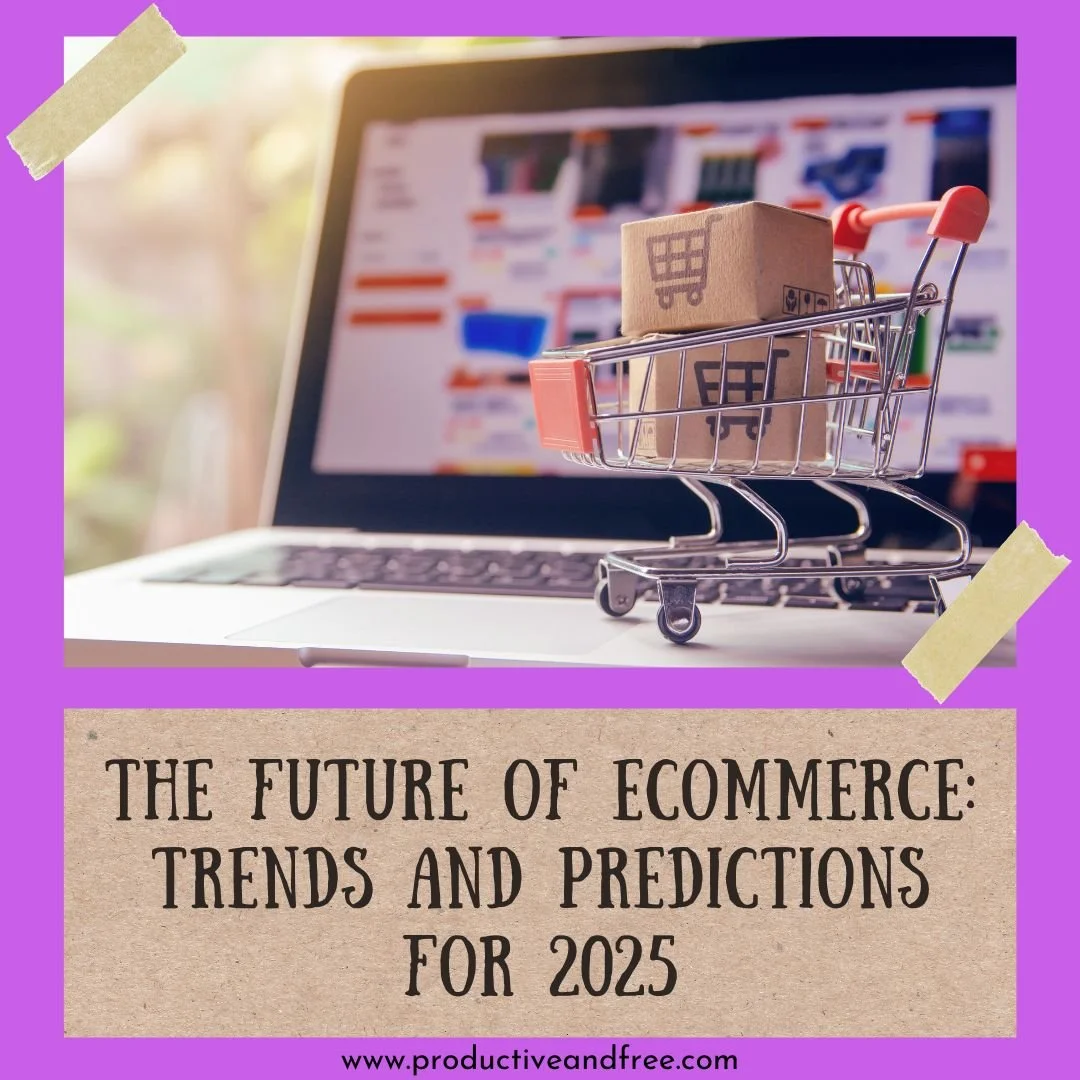
The 10 Online Shopping Shifts Changing The Way We Shop In 2026
Online shopping has become so integrated into our lives that it's easy to forget that until recently it was seen as an oddity or restricted to specific categories of goods. In 2026/27, e-commerce will not be just a transaction channel, but it is an essential component of the way retail operates, how brands are developed, and how consumer expectations are formed. This sector continues to evolve rapidly, driven by the advancement of technology changes in consumer behaviour that is accelerating competition, as well as the continuous pressure placed on every actor in the industry to justify their place in a rapidly growing market. Here are the top ten E-commerce patterns that are changing how shoppers shop online moving into 2026/27.
1. AI Personalisation Enhances Shopping Experience
The application of artificial intelligence to e-commerce personalisation has advanced well beyond basic recommendation engines providing products based upon previous purchases. AI systems that are 2026/27 in the making are creating dynamic, real-time models of shopper's intent that adjust to the context, time of day and device usage, as well as browsing habits and signals from the larger digital footprint. This results in an experience of shopping that feels real-time and not just generically targeted. For retail stores, the commercial impact of sophisticated personalisation on conversion rates, average order value, and customer retention is significant enough that AI investing in this field is now a critical element of competitive strategy rather than a distinct feature.
2. Social Commerce Becomes A Primary Discovery Channel
The integration of shopping functions directly to online social networking platforms has developed to become a major commerce channel by itself. Consumers are looking up, reviewing and buying items from their social feeds through recommendations from creators or shoppable content. live commerce events which combine entertainment with purchase. This model, which was first introduced at immense scale in China but is now in place across Western markets. Its significance for brands is that social marketing is no longer primarily a brand recognition exercise, but a direct revenue source that requires the exact quality of business as every other part of the retail industry.
3. Ultra-Fast Delivery Rakes The Bar For Logistics
Expectations of customers regarding delivery speeds keep increasing. Deliveries on the same day are becoming commonplace in urban markets as well as the competition to close the gap between order and receipt is causing a significant increase in fulfilment infrastructure, micro-warehousing located closer to demand centres, autonomous delivery vehicles, and drone delivery systems which are moving from trial into operationalization in an increasing number of places. for smaller retail stores achieving these demands on their own is becoming complex, which has resulted in the creation of fulfilment systems and third-party logistics service providers that can meet the infrastructure required. The environmental implications of rapid transport logistics are receiving increasing review, alongside the commercial pressures.
4. Recommerce and the Circular Economy Revolutionize Retail
The market for secondhand, refurbished and pre-owned items will grow faster than retail across multiple product categories. Consumers' desire for lower prices as well as less environmental impact as well as the appeal goods which are no longer in new forms is fueling the expansion of peer-to'peer resale sites, operating recommerce platforms for brands, and specialist resellers in fashion, electronic, furniture, and sporting goods. Brands put money into resale and refurbishment processes in order to benefit from second-hand markets and to sustain relations with customers opting to buy secondhand products over new. The stigma previously associated with buying used goods across many categories has largely evaporated among younger demographics.
5. Augmented Reality Lowers The Risk of online shopping
One of the recurring limitations of online shopping relative to physical stores has been the inability to properly evaluate a product before purchasing. Augmented reality is helping to overcome this within specific categories and with enough development to affect buying behaviour and return rates meaningfully. It is possible to test on clothing, eyewear and even cosmetics through virtual reality using augmented reality, putting furniture and accessories in a live room using a smartphone camera, or examining the product at a high dimension before making a purchase These are all options that are being developed from impressive demos and standard features on major platforms as well as brand sites. The categories in which fit, scale, and appearance in relation to each other are having the most significant impacts on conversions and return.
6. Subscription Commerce is More Than Convenience
E-commerce subscription models have matured beyond the straightforward convenience idea of regular replenishment of consumables. The most successful subscription models in 2026/27 revolve around community, curation, and a long-term value that warrants continuing payments rather than the locking in mechanics used in the earlier models. Consumers have become significantly more proficient in assessing the worth of subscriptions and cancellation rates are a slap on products that depend on inertia rather than a genuine benefit. Retailers, the advantages of a subscription, such as higher income per year, higher lifetime value and stronger customer relationships are still compelling when the core value proposition is sufficiently compelling to warrant true loyalty.
7. Cross-Border E-Commerce Grows And Complexifies
The ability to shop through retailers from anywhere in world has brought huge marketplace opportunities as well as operational difficulties relating to customs return, duties, localisation and consumer protection compliance. International e-commerce is expanding in both retail and consumer markets as both expand their reach far beyond the domestic markets, yet the regulatory complexity is increasing simultaneously, as more jurisdictions implementing digital taxes along with product safety laws and consumer rights rules that apply globally-domiciled sellers. The successful retailers in cross-border market are those that make a significant investment in localisation, compliance infrastructure, and logistical capabilities that true international retail requires.
8. Voice And Conversational Commerce Find their Use Situations
Voice-based shopping, long regarded as a disruptive channel that has consistently failed to meet that expectation has been gaining more recognition in particular and well-defined instances. Reordering commonly purchased consumables such as shopping lists, or checking the status of an order are all tasks where voice interaction offers substantial advantages over touchscreen-based alternatives. AI-powered shopping assistants for conversation, operating through chat interfaces rather than via voice, are more flexible in helping shoppers navigate difficult purchase decisions while comparing alternatives, and receive personalised recommendations within dialog format. This is better with discerning purchases as opposed to traditional search and browse.
9. Sustainability Claims are More Often Under Review And Regulation
Consumers' interest in the eco-friendly and ethical repercussions of shopping online is high, however, is there a certain amount of doubt regarding the claims about sustainability that companies make. Greenwashing regulations are being tightened across the major markets, requiring obligations for verified claims, precise labelling, and transparency about supply chain practices that can make ambiguous sustainability marketing legally unsound. Retailers that have invested in genuine environmental improvements to their supply chains and operations have discovered that demonstrable, authentic sustainability credentials are now an important commercial differentiation among the ever-growing number of consumers who are willing to act on environmental values when reliable information is available to help support their decisions.
10. Payment Innovation Continues To Reduce Friction
The checkout experience has been one of the primary sources of abandonment of the basket in the world of e-commerce, is continually improving through innovative payment methods that decrease hassle at the most crucial stage of the purchase journey. Pay-as-you-go has matured and is undergoing more scrutiny from regulators regarding access to funds and transparency. Digital wallets are increasingly becoming the standard payment method to pay for increasing amounts on online transactions. The biometric security is replacing passwords and card details entry in various contexts. One-click purchasing, embedded payments through apps and social platforms and the continuing expansion of banking-based options for payment are all aiding in creating a shopping experience that is faster, more secure also less likely be able to lose a customer in the final seconds.
E-commerce in 2026/27 is becoming more sophisticated, competitive, and more significant for the overall retail industry than it has ever been at. The trends above point toward a direction that rewards retailers that invest in customer service, operational excellence and genuine value creation over those who rely on categories monopolies, information gaps, or lock-in mechanics that consumers are more adept at understanding and avoiding. The online shopping landscape is evolving quickly, and the distance between where it stands today and where it will be in five years is likely to be as shocking similar to the distance travelled. For further insight, head to the most trusted storypoint.nl/ and find expert coverage.