
Hurt Gas Detection Systems For Workplace Refuge And Submission: Enhancing Heavy-duty Protection With Advanced Monitoring Applied ScienceHurt Gas Detection Systems For Workplace Refuge And Submission: Enhancing Heavy-duty Protection With Advanced Monitoring Applied Science
Introduction: Why Gas Safety Matters in Modern Workplaces
In heavy-duty environments such as manufacturing plants, oil refineries, chemical factories, and confined spaces, the risk of gas leaks is a serious safety touch. Toxic and combustible gases can cause explosions, health hazards, damage, and even fatalities if not heard in time. This is where ache gas signal detection systems for workplace refuge and submission play a critical role.
With advancements in detector engineering and IoT-based monitoring, modern gas detection systems are no longer simple alarms. They are well-informed safety solutions designed to provide real-time alerts, accurate monitoring, and restrictive submission subscribe for industries world-wide.
What Are Smart Gas Detection Systems?
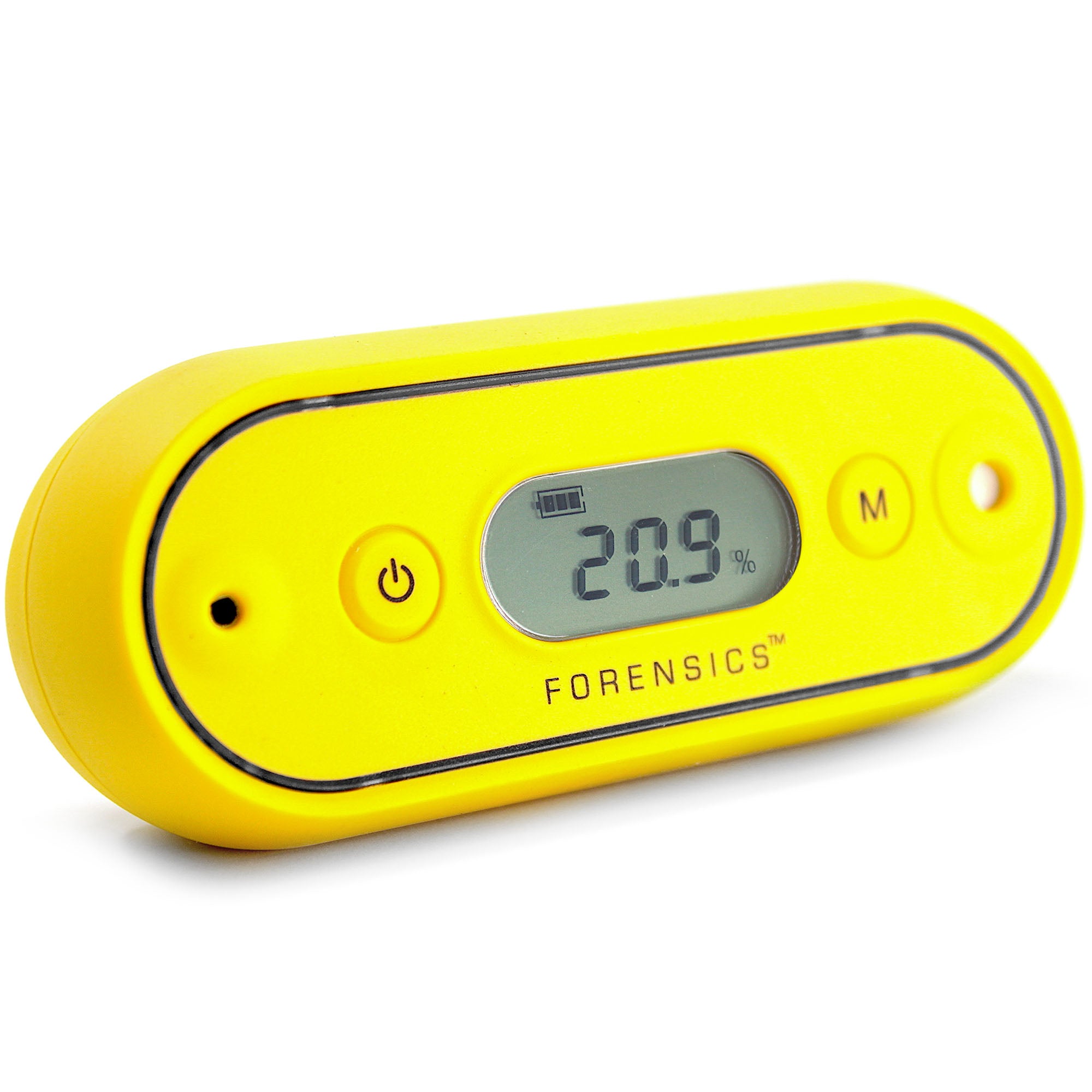
Smart gas signal detection systems are advanced monitoring solutions that place the front of dangerous gases in the . These systems use highly sensitive sensors, radio receiver communication, and data analytics to notice gas leaks early and trigger off immediate warnings.
Unlike orthodox detectors, ache systems volunteer nonstop monitoring and can be organic with centralised refuge platforms for moment response.
Common gases sensed let in:
Carbon monoxide(CO)
Hydrogen sulfide(H S)
Methane(CH)
Ammonia(NH)
Carbon (CO)
Volatile organic fertilizer compounds(VOCs)
Importance of Gas Detection in Workplace Safety
Ensuring work safety is a effectual and right responsibility for all industrial operators. Gas leaks can fall out unexpectedly, qualification early on detection requisite.
Key safety benefits include:
Preventing noxious exposure to workers
Reducing risk of fire and explosions
Ensuring safe air tone in confined spaces
Minimizing caused by accidents
Protecting overpriced heavy-duty equipment
By installing trusty détecteur de CO à faible concentration signal detection systems, companies can significantly tighten work hazards and make a safer for employees.
How Smart Gas Detection Systems Work
Modern systems rely on high-tech technologies that ameliorate accuracy and response time.
Core components include:
Gas Sensors: Detect specific gases in the air
Control Panel: Processes signals and triggers alerts
Alarm Systems: Audible and visual warnings for immediate action
Wireless Connectivity: Sends real-time data to verify suite or Mobile devices
Cloud Integration: Stores data for depth psychology and submission reporting
When gas levels exceed safe thresholds, the system instantaneously activates alarms and notifies refuge personnel.
Role in Regulatory Compliance
Industries must comply with strict occupational refuge standards such as OSHA, ISO, and other topical anaestheti safety regulations. Smart gas signal detection systems help organizations meet these requirements efficiently.
Compliance advantages:
Automated safety reporting
Real-time monitoring logs
Audit-ready data records
Reduced risk of regulative penalties
Improved work inspection readiness
By maintaining precise gas records, businesses can demonstrate submission during safety audits.
Features of Modern Smart Gas Detection Systems
Today s systems are premeditated with advanced capabilities that improve efficiency and usability.
Key features let in:
Remote monitoring via Mobile or web apps
Multi-gas detection in a single device
Predictive sustenance alerts
Integration with fire and safety systems
High strength for unpleasant environments
These features make them ideal for big-scale heavy-duty operations.
Applications Across Industries
Smart gas detection systems are widely used in various sectors where gas exposure risks are high.
Industries let in:
Oil and gas refineries
Chemical manufacturing plants
Mining operations
Wastewater handling facilities
Laboratories and search centers
Food processing industries
Each industry benefits from tailored signal detection solutions based on risk levels.
Conclusion: A Critical Investment for Workplace Safety
Smart gas detection systems are no longer nonmandatory they are necessity for maintaining work safety and ensuring regulatory compliance. By providing early warnings, real-time monitoring, and accurate data coverage, these systems protect both workers and byplay operations.
As industries uphold to adopt automation and smart technologies, investing in hi-tech gas detection solutions will stay on a key factor in in building safer, more efficient, and nonresistant workplaces.